
Food waste and the new FOGO laws for hospitality
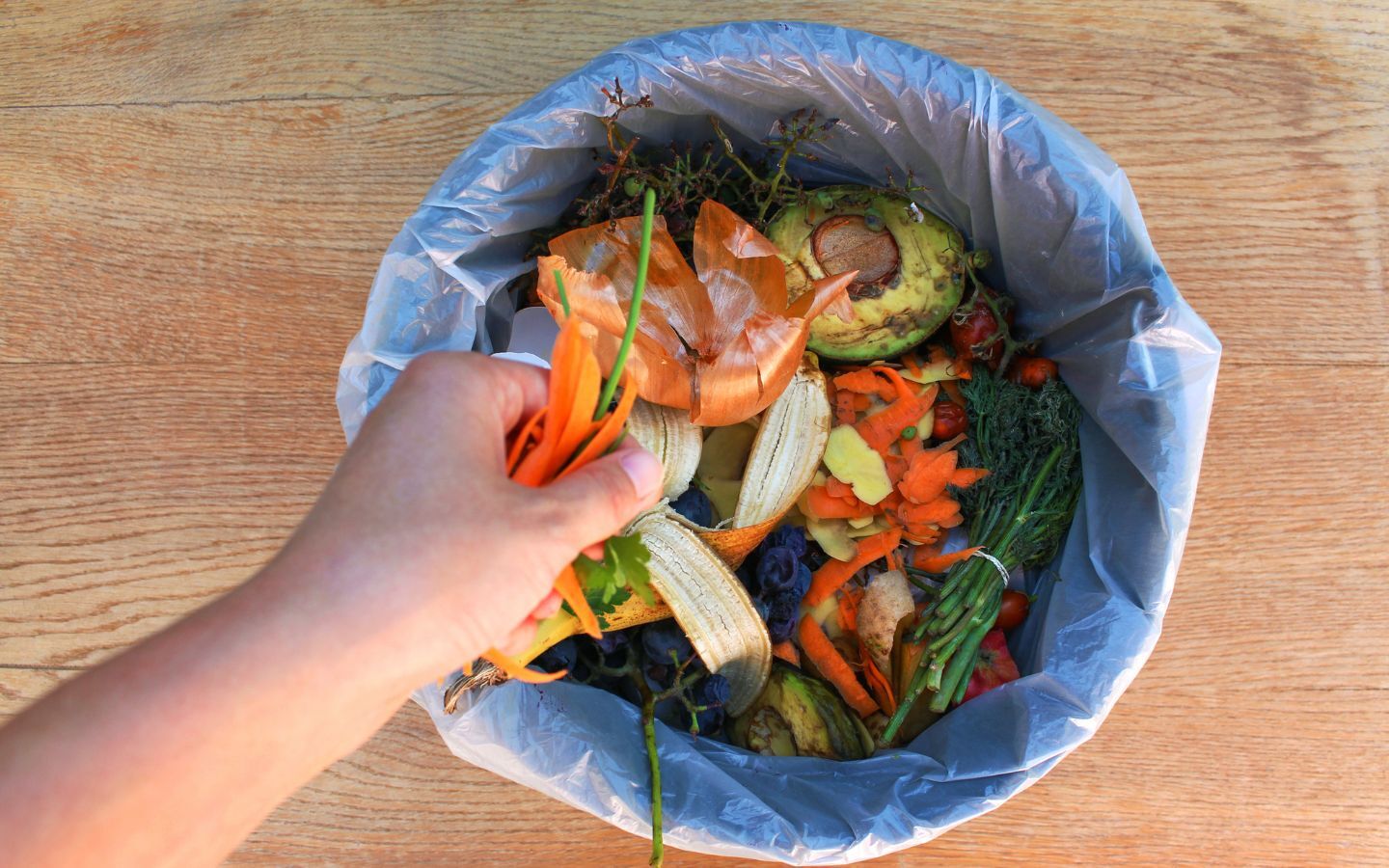
From 1 July 2026, new Food Organics and Garden Organics (FOGO) requirements begin rolling out across New South Wales.
If you own or operate a café, restaurant, pub, club or hotel, now is the time to understand what's changing and start preparing.
The good news? Many of the changes that help you comply with FOGO can also reduce food waste, improve food safety and save your business money.
What is FOGO?
FOGO stands for Food Organics and Garden Organics.
The new NSW legislation requires businesses that prepare, sell or handle food to separate food waste from general waste so it can be recycled instead of going to landfill. The rollout starts with the largest food waste generators and expands to smaller businesses over the next few years.
Who needs to comply?
The new requirements are being introduced in stages based on how much general waste your business sends to landfill each week.
|
From |
Businesses likely to be affected* |
|
1 July 2026 |
Large hotels, clubs, food courts and other high-volume hospitality businesses (3,840L+ of general waste per week). |
|
1 July 2028 |
Medium-sized hospitality businesses (1,920L+ per week). |
|
1 July 2030 |
Smaller hospitality businesses and commercial kitchens (660L+ per week). |
*The rollout is based on your weekly general waste capacity. If you're unsure where your business sits, check with your waste provider or visit the NSW EPA website.
FOGO is about more than another bin
It's easy to think these new laws are simply about separating food waste.
But the biggest opportunity is reducing how much food ends up in that bin in the first place.
Every ingredient that's thrown away has already been purchased, delivered, stored and prepared. That's money your business never gets back.
Reducing food waste can help you:
- Lower food costs
- Improve stock management
- Reduce spoilage
- Build more consistent kitchen routines
- Strengthen food safety practices
For many venues, the biggest savings don't come from changing their bins. They come from improving the way the kitchen operates every day.
Food waste and food safety go hand in hand
Many of the reasons food gets thrown away are also common food safety risks.
Think about:
- Ingredients expiring because stock rotation wasn't followed.
- A fridge failing overnight and spoiling valuable stock.
- Food being over-prepared and not stored correctly.
- Daily food safety checks being missed.
When you improve these everyday processes, you'll often reduce food waste and improve food safety at the same time.
That's a win for your customers, your team and your bottom line.
Start preparing now
Even if your business isn't affected until 2028 or 2030, there's no reason to wait.
A few simple improvements today can make compliance much easier tomorrow:
- Review where food waste is happening in your kitchen.
- Improve stock rotation and date labelling.
- Complete temperature checks consistently.
- Make daily food safety routines part of every shift.
- Train your team so everyone understands their role.
Small changes made consistently often have the biggest impact.
Looking beyond compliance
The new FOGO requirements are an important step towards reducing Australia's food waste.
But for hospitality businesses, they're also an opportunity to build a more efficient kitchen.
The venues that benefit most won't simply separate their food waste.
They'll focus on creating less of it.
Want to build better kitchen systems while reducing avoidable food waste?
At Chomp, we help hospitality businesses simplify food safety, improve consistency and create smarter daily routines that naturally reduce waste.